Engineer's Brain Graphics for Crafts Review
As a brand designer and content marketer, I am constantly evaluating new graphic design assets that can elevate a client’s visual identity without breaking the budget. Recently, I integrated the Engineer s Brain Funny Process Engineer into a real-world marketing campaign for a small business specializing in niche hobbyist merchandise. The goal was to create a cohesive look for a seasonal product launch targeting technical professionals with a sense of humor. This review breaks down how this specific asset performs in professional branding scenarios, focusing on audience perception, visual consistency, and practical application.
First Impressions: Mood and Audience Perception
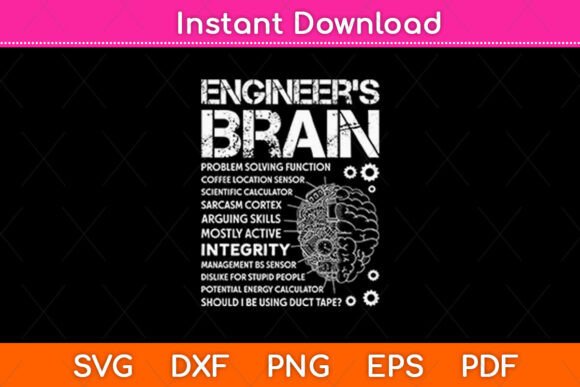
The first thing that strikes you about the Engineer s Brain Funny Process Engineer is its ability to balance technical imagery with playful wit. In the world of small business branding, tone is everything. This illustration does not take itself too seriously, which immediately lowers the barrier for engagement. It creates a mood that is approachable yet intelligent, appealing directly to process engineers, developers, and tech-savvy consumers who appreciate inside jokes about their profession.
From a content marketing perspective, this emotional tone is crucial. It signals to the audience that the brand understands their daily struggles and joys. When used correctly, it fosters an immediate emotional connection. However, it is essential to recognize that this asset leans heavily toward casual branding. It is perfect for lifestyle content, handmade products, and community-driven events, but it may feel out of place in ultra-premium or strictly corporate visuals unless used as a deliberate contrast element.
Integrating the Asset into Marketing Workflows
In our recent project, we used this design as the centerpiece for a series of social media graphics and printable promotions. Because the file is an instant download SVG, it integrates seamlessly into workflows involving cutting machines like Cricut Explore, Cricut Maker, and Silhouette Cameo. This versatility is a significant advantage for creators who need to produce both digital and physical assets from a single source file.
Here is how the asset performed across different channels:
- Social Media Graphics: We used the illustration for Instagram posts and Pinterest pins. The clean lines of the SVG ensured that the image remained crisp even when scaled for high-resolution displays. It acted as a strong hook, stopping the scroll for users interested in engineering humor.
- Packaging Design and Product Labels: For physical products, such as sticker packs and t-shirts, the design translated well. The bold outlines allowed for easy cutting and printing, making it an ideal choice for packaging design accents and product labels.
- Digital Ads and Email Banners: In paid campaigns, the humorous element increased click-through rates. We paired the graphic with a clear call-to-action, ensuring the visual supported the message rather than competing with it.
Enhancing Brand Identity and Visual Hierarchy
A common mistake in creative design is using funny elements that distract from the core message. With Engineer s Brain Funny Process Engineer, the key is maintaining a strong visual hierarchy. The illustration should serve as a supporting actor, not the entire play. In our campaign, we used it to break up text-heavy sections in blog graphics and email newsletters, providing visual relief while reinforcing the brand’s personality.
This approach helps build audience trust. When a brand consistently uses high-quality, relevant illustrations, it appears more professional and thoughtful. The asset contributes to a memorable campaign visual identity, helping the brand stand out in a crowded creative marketplace. By aligning the humor with the target audience’s interests, we strengthened brand recognition and improved overall engagement metrics.
Strategic Placement: Where It Works Best
To maximize the impact of this digital product, context is key. Based on our testing, the asset shines in the following areas:
- Hero Graphics and Campaign Headers: Use it as a focal point in website headers or landing pages to immediately communicate the brand’s playful tone.
- Branded Templates and Canva Designs: Incorporate the SVG into reusable templates for clients or internal teams. It adds a unique touch to standard Canva template layouts.
- Merchandise and Stickers: Since it is optimized for cutting machines, it is perfect for creating physical goods like decals, mugs, and apparel, which are excellent for community building.
- Editorial Design and Blog Graphics: Use it to illustrate articles about engineering life, process improvement, or tech culture, adding visual interest to long-form content.
Limitations and Careful Usage
While versatile, this asset is not a one-size-fits-all solution. There are specific scenarios where it should be used with caution or avoided entirely:
- Formal Corporate Branding: Avoid using this in serious B2B proposals, legal documents, or formal corporate reports where professionalism and neutrality are paramount.
- Dense Information Layouts: Do not place the illustration in areas with heavy text or complex data visualizations. It can create visual clutter and reduce readability.
- Small Mobile Graphics: Ensure the details are visible at smaller sizes. If the intricate parts of the brain diagram become muddy on mobile screens, simplify the usage or increase the scale.
- Low-Contrast Backgrounds: The design relies on clear lines. Placing it on busy or low-contrast backgrounds can make it disappear. Always test against solid or simple gradient backgrounds.
Practical Designer Notes for Implementation
Before launching any campaign with Engineer s Brain Funny Process Engineer, I recommend a rigorous testing phase. Here are my top tips for ensuring professional branding standards:
First, test the asset with your existing brand color palette. While the default black and white version is classic, recoloring it to match your brand guidelines can enhance cohesion. Check how it looks in monochrome to ensure it remains recognizable without color.
Second, preview the design on multiple devices. What looks great on a desktop monitor might lose impact on a smartphone. Pay attention to spacing and balance, ensuring the illustration does not crowd other elements like logos or headlines.
Third, consider typography pairing. This illustration pairs well with clean sans-serif fonts for a modern look, or handwritten fonts for a more casual, friendly vibe. Avoid overly ornate script fonts that might clash with the technical nature of the drawing.
Finally, always confirm the licensing terms. Ensure you have the appropriate commercial license if you are using this asset in paid campaigns, client work, or for selling physical products. Respecting intellectual property is a cornerstone of ethical commercial design.
Final Verdict: A Strong Asset for Niche Marketing
The Engineer s Brain Funny Process Engineer is a valuable addition to any designer’s toolkit, particularly for those targeting technical audiences. It offers a blend of humor and professionalism that, when used strategically, can significantly boost engagement and brand affinity. Whether you are creating marketing visuals for social media, designing product labels for handmade goods, or building a comprehensive design bundle for a client, this asset delivers flexibility and charm.
By understanding its strengths and limitations, you can leverage this SVG design to create compelling, memorable content that resonates with your audience. It is not just a clipart item; it is a tool for storytelling and connection in the digital age. For brand owners and content creators looking to add a touch of personality to their visual content creation, this graphic stands out as a smart, effective choice.