Mommy Corn Design: A Real-World Embroidery Review
As a designer who has spent countless hours digitizing and stitching out files for clients, I have learned that not every cute graphic translates well into thread. When I first encountered the Mommy Corn Like a Normal Mommy Only Way design, my initial reaction was one of cautious curiosity. The phrase itself carries a playful, self-deprecating humor that resonates deeply with modern parents, but as an embroidery professional, I had to look past the joke and evaluate the structural integrity of the artwork. This is not just about whether the quote is funny; it is about whether this specific Graphics asset can hold up under the needle of a commercial machine without turning into a tangled mess on a customer’s favorite sweatshirt.
First Impressions and Visual Personality
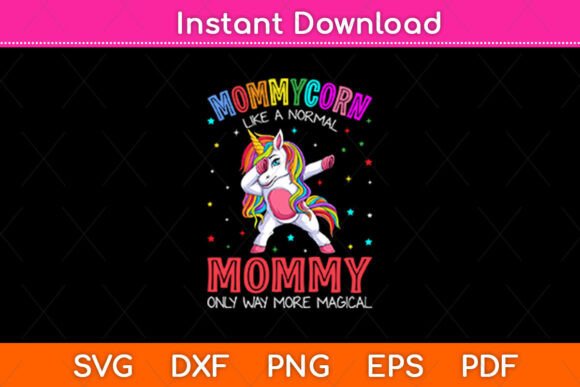
The mood of this design is undeniably lighthearted and relatable. It taps into the "mom life" niche, which remains a powerhouse in the Crafts category. Visually, the layout suggests a balance between text and illustrative elements, likely featuring corn imagery to play on the pun. For an embroidery project, the immediate question is always about density and flow. Does the design rely on tiny, intricate details that will get lost in the fabric texture? Or does it use bold, clean lines that allow the thread to shine?
In my assessment, designs like this often thrive when they embrace simplicity. If the "corn" element is too detailed, it risks becoming a dense block of satin stitch that pulls on lightweight fabrics. However, if the design utilizes a mix of running stitch for outlines and fill stitch for broader areas, it can create a lovely textured effect. The visual personality here is casual and fun, making it a perfect candidate for items that are meant to be worn comfortably rather than displayed formally. It feels like something you would see on a tote bag at a farmers' market or on a cozy apron in a busy kitchen.
Real-World Application: The Sweatshirt Test
To truly evaluate Mommy Corn Like a Normal Mommy Only Way, I mentally placed it on a standard crewneck sweatshirt. This is a common request for small shop products and Etsy sellers. Sweatshirts provide a stable, thick canvas that can handle moderate stitch density without puckering. In this scenario, the design would likely serve as a chest-left logo or a larger center-chest statement.
If I were producing this as a custom apparel item for a client, I would pay close attention to the thread colors. A vibrant yellow for the corn elements contrasted against a heather grey or navy background would pop beautifully. However, the success of the finished product depends heavily on the digitizing quality. If the lettering is too thin, it might disappear into the fleece. If it is too thick, it becomes stiff and uncomfortable against the skin. For a handmade product to feel premium, the stitching must lay flat and smooth. This design seems best suited for a medium-sized hoop, allowing the text to remain legible without requiring excessive zooming or microscopic precision.
Versatility Across Product Lines
Beyond sweatshirts, this design has potential in several other areas of commercial embroidery. Consider a canvas tote bag design. The sturdy nature of canvas can support heavier stitch counts, making it an ideal substrate for this type of humorous graphic. It could also work well as an embroidered patch, where the design is stitched out on twill and then heat-sealed or sewn onto various garments. This approach allows for greater flexibility, especially if the original file is complex.
For baby embroidery, caution is advised. While the theme is parent-focused, applying it to baby clothes requires ensuring that no scratchy backing or dense stitching touches the infant’s sensitive skin. A lighter touch, perhaps using applique design techniques where fabric pieces are layered and tacked down with a satin stitch border, could reduce the bulk and make it safer and more comfortable for younger wearers. Similarly, for holiday embroidery gifts, such as a festive kitchen towel, the design would need to be scaled appropriately to fit the narrow hem or corner space typically used for decorative accents.
Technical Considerations and Pitfalls
While the concept is strong, there are areas where Mommy Corn Like a Normal Mommy Only Way requires careful handling. One major concern is curved surfaces, such as caps or hats. Embroidering on a curved, structured cap is significantly more challenging than on flat fabric. If the design has wide spans of text, it may distort or pull unevenly on the front panel of a cap. I would recommend testing this design on a scrap piece of similar material before committing to a final product. Check the hoop size compatibility; if the design is wider than standard cap frames, it simply will not work without resizing, which could compromise the aspect ratio and readability.
Another critical factor is fabric texture. On textured fabrics like waffle knit or heavy linen, fine details can get lost. If the design relies on tiny lettering or intricate corn kernels, these details might merge together, creating a blurry effect. In such cases, simplifying the design or increasing the overall size is necessary. Additionally, dark fabrics present a challenge for thread color contrast. If the design includes light-colored threads, ensure that the underlying fabric does not show through gaps in the stitching. Using a proper stabilizer is non-negotiable here; it provides the foundation needed to keep stitches uniform and prevent shifting.
Designer Notes for Best Results
- Test on Scrap Fabric: Always run a test stitch-out on the same type of fabric you plan to use for the final product. This reveals issues with tension, density, and registration.
- Check Thread Color Contrast: View your design in black and white mockups to ensure the shapes are distinct even without color. This helps verify that the design holds up visually regardless of the palette chosen.
- Review Stitch Density: High density can cause puckering, especially on thinner materials. Adjust pull compensation if necessary to maintain shape integrity.
- Confirm Hoop Size: Ensure the design fits within your available hoop sizes without requiring excessive resizing that might degrade quality.
- Inspect Small Details: Zoom in on the digital file to check for stray nodes or overly complex paths that might cause machine errors.
- Licensing Verification: Since this is a digital embroidery file intended for crafts, always confirm the license terms. Can you sell the finished product? Are there restrictions on mass production? Clarify this with the creator before listing items in your small shop product lineup.
Impact on Brand and Customer Trust
Using a well-executed design like Mommy Corn Like a Normal Mommy Only Way can significantly enhance the perceived value of your handmade product. Customers appreciate humor, but they value quality more. A cleanly stitched design signals professionalism and attention to detail, fostering trust in your brand. Whether you are an Etsy seller, a boutique owner, or a creative entrepreneur, the consistency of your output defines your reputation. This design, when handled correctly, offers a blend of personality and polish that can drive buyer engagement. It is not just a graphic; it is a conversation starter that, when paired with high-quality craftsmanship, becomes a desirable personalized gift or a standout item in your craft business inventory.
In conclusion, while the source file is described as a print cut file compatible with Cricut and Silhouette, adapting it for embroidery requires a keen eye for translation from vector to stitch. By respecting the limitations of the medium and prioritizing technical precision, you can transform this playful concept into a successful, tangible asset for your portfolio. Always prioritize the physical reality of the thread over the digital perfection of the screen, and your finished products will speak for themselves.