Reviewing Worker Profile Silhouettes for Embroidery
As a designer who spends more time staring at stitch simulations than I care to admit, I have learned that not every graphic translates well to thread. We often get swept up in the visual appeal of a digital embroidery file on a screen, forgetting the tactile reality of needle and fabric. Recently, I evaluated a set called Worker Profile Silhouettes, and it sparked a necessary conversation about minimalism in machine embroidery. This isn’t just another clipart pack; it is a study in how strong shapes can elevate a handmade product when used with intention.
The Visual Impact of Minimalist Shapes
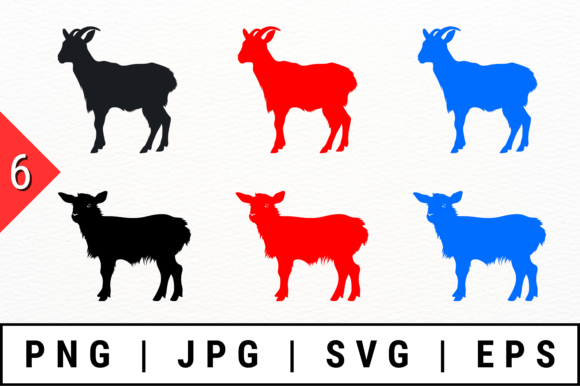
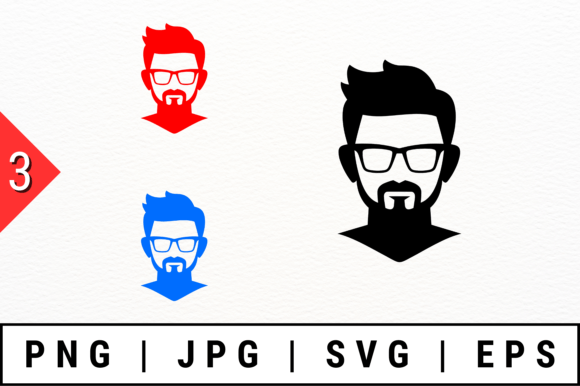
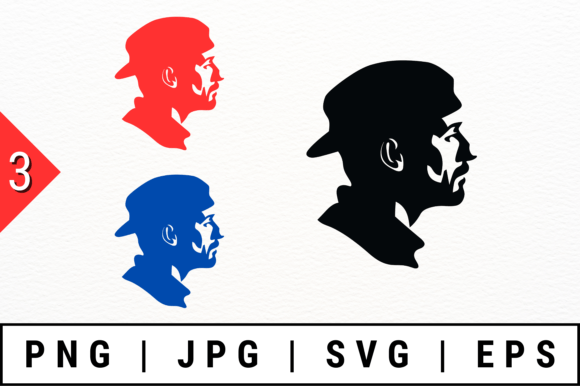
The first thing that strikes you about Worker Profile Silhouettes is the confidence of the line work. The set includes three high-resolution vector art silhouettes featuring worker profile designs in black, red, and blue. In the context of Crafts and Graphics, these are categorized as industrial-themed assets, but their utility goes far beyond factory aesthetics. The side-profile portraits are clean, devoid of unnecessary internal detail, and rely entirely on the strength of the outer contour.
For an embroiderer, this is both a blessing and a challenge. A silhouette design leaves no room for error. There are no dense fill stitches to hide poor tension or uneven fabric. The shape must be perfect. When I loaded these into my digitizing software to inspect the potential stitch paths, I appreciated the lack of clutter. These profiles are designed to be read instantly. Whether you are creating a custom apparel piece for a construction company or a stylish tote bag design for a local coffee shop, the immediate recognizability of the worker profile adds a layer of professional branding that complex illustrations often miss.
Real-World Application: The Workshop Apron Project
To truly test the viability of these designs, I imagined a specific client project: a batch of heavy-duty canvas aprons for a boutique woodworking studio. The owner wanted something that felt rugged yet modern. Using the black silhouette from the Worker Profile Silhouettes set, I mapped out a placement on the upper chest pocket area.
The result was striking. Because the design is a solid profile, it works exceptionally well with a satin stitch border or a tight fill stitch interior, depending on the desired texture. For the apron, I opted for a dense fill to create a solid block of color that would withstand frequent washing and wear. The industrial theme of the worker profile aligned perfectly with the brand identity, turning a simple utility item into a statement piece. This is where commercial embroidery shines—using design assets to tell a brand story without shouting.
Beyond aprons, these profiles are versatile enough for sweatshirt embroidery. Imagine the red silhouette centered on the back of a charcoal grey hoodie. The contrast is bold, appealing to a demographic that values labor and craftsmanship. It also translates well to embroidered patch creation. A small, merrow-edged patch featuring one of these profiles could be sold as an add-on item for an Etsy seller specializing in workwear accessories.
Navigating Technical Constraints
While the aesthetic is strong, practical application requires caution. These silhouettes are minimalistic, which means they lack internal definition. If you attempt to scale them down too far for a small hoop size, such as a 4x4 inch hoop, you risk losing the nuance of the profile. The curve of a hard hat or the line of a jaw might merge into an unrecognizable blob if the stitch density is not managed correctly.
I recommend avoiding these designs on highly textured fabrics unless you use a substantial cut-away stabilizer. On fluffy towels or loose-weave linens, the crisp edges of the silhouette can get lost. Similarly, be cautious with stretchy fabrics like jersey knits for baby embroidery projects. Without proper stabilization, the pull of the thread can distort the smooth lines of the profile, making the head shape appear warped. Always test the design on scrap fabric first. Check how the thread colors interact with your base material. While the provided black, red, and blue options are classic, you may need to customize the applique design colors to match specific brand guidelines.
Considerations for Dark and Curved Surfaces
Using these profiles on dark fabric requires thoughtful planning. If you are stitching the black silhouette on a navy shirt, it will vanish. You must rely on contrast. In such cases, consider using the silhouette as a template for an applique, where a contrasting fabric is stitched down, rather than relying solely on thread. This technique also reduces the amount of thread buildup, which is crucial when working on curved surfaces like caps. A dense fill stitch on a cap can cause puckering; an applique approach keeps the finished product flat and comfortable.
Enhancing Brand Value and Customer Trust
From a business perspective, using cohesive design assets like Worker Profile Silhouettes helps build brand consistency. When customers see a recognizable, high-quality motif across your small shop product line—whether it’s a pillow cover, a kitchen towel, or a holiday gift item—they begin to trust the professionalism of your craft. These profiles evoke a sense of dignity and labor, which resonates deeply with buyers looking for meaningful, personalized gifts.
For digital product sellers, these vectors offer excellent potential for printable mockup creation. You can showcase how the design looks on various garments before you even stitch a single thread. This saves time and materials, allowing you to present a polished portfolio to potential clients. However, always confirm licensing terms before selling finished items or digital products. While the description mentions they are perfect for industrial-themed projects, you must verify if the license allows for commercial use in your specific niche.
Final Designer Notes
Before committing to a large production run, take these steps:
- Test on Scrap Fabric: Verify that the stitch count and density do not distort your chosen material.
- Check Contrast: Ensure the silhouette stands out against the background, especially for personalized gift items where visibility is key.
- Review Details: Zoom in on the profile edges. If the vector has jagged lines, smooth them out in your digitizing software to prevent thread breaks.
- Confirm Hoop Size: Make sure the design fits comfortably within your hoop with adequate margin for stability.
- Verify Licensing: Double-check the usage rights for craft business applications to avoid legal issues down the line.
In conclusion, Worker Profile Silhouettes is a robust addition to any designer’s library. It bridges the gap between graphic design and tactile craft, offering a clean, professional look that enhances the perceived value of any embroidery project. Whether you are an experienced apparel decorator or a hobbyist looking to elevate your holiday embroidery gifts, these profiles provide a solid foundation for creative expression. Just remember: simplicity demands precision. Treat these shapes with respect, and they will serve your business well.